Chronic breathing disorders, such as reactive airway disease and persistent obstructive respiratory illness (COPD), impact millions of people worldwide. These conditions can make it hard for people to respire, leading to a reduction in movement and general quality of life. However, research has shown that engaging in regular movement can significantly reduce manifestations of these diseases. Movement helps strengthen the respiratory muscles, optimize lung function, and enhance overall stamina. By incorporating movement into their everyday schedules, individuals with persistent breathing conditions can enjoy improved health and increased well-being.
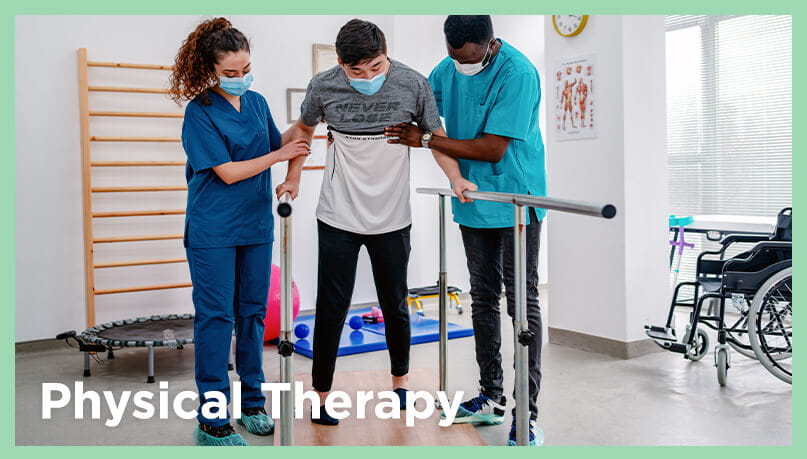
One approach that movement helps those with chronic breathing diseases is by enhancing respiratory function. When patients participate in exercise, their respiratory system function more intensively to supply oxygen to the system. This can result in improved pulmonary function and performance over time. Activities such as brisk walking, swimming, or stationary cycling can be highly helpful. They allow patients to progressively improve their stamina without overwhelming their physiologies. As a consequence, people may find they can carry out daily activities with less effort and experience reduced episodes of dyspnea.
Moreover|Additionally|Furthermore, exercise can have favorable impacts on emotional health as well. Long-term respiratory diseases often are associated with feelings of nervousness and depression due to continuous health challenges. Routine exercise stimulates the release of neurochemicals, which are molecules in the central nervous system that support enhance mental well-being and alleviate psychological strain. Participating in social more tips here exercise sessions or classes can also deliver social support and lessen experiences of social disconnection. This feeling of belonging can inspire patients to remain engaged while also enhancing their psychological wellness.
In addition to physical and psychological health gains, physical activity can promote improved handling of symptoms associated with long-term breathing conditions. For instance|For example|Specifically, people who engage in consistent physical activity may experience fewer exacerbations and lessened severity of manifestations like chronic cough and wheezing. It is essential for those with these conditions to seek advice from clinicians before starting an activity regimen. A medical professional or rehabilitation specialist can guide them in selecting safe activities that fit their personal needs and restrictions.
Finally|In conclusion|Ultimately, integrating physical activity into everyday routines does not have to be intimidating or complicated. Small modifications, such as taking the client-centered care models in physiotherapy practice stairs instead of the lift, walking during midday breaks, or participating in yoga sessions, can produce notable benefits over time. Setting practical objectives and incrementally building activity levels can help patients to maintain commitment and reach long-lasting results. With commitment and the adequate assistance, individuals with long-term breathing diseases can utilize the potential of movement to improve their symptoms and improve their daily living.